Coach And Counseling: Steps to Set Boundaries with the Support of a Life Coach
Mental Health Coaching: A Mindset Coach Helps People Unlock Their Complete Prospective Through Positive Believing And Durability
Definition and Role of a Frame Of Mind Coach
What genuinely specifies a mindset coach!.?.!? At its core, this specialist is less a conventional instructor and more a navigator of the labyrinth within. They do not simply sprinkle suggestions; they decipher the twisted threads of limiting beliefs and reframe viewpoints that frequently cage capacity. Think of standing at a crossroads, uncertain which path results in development-- this is where a state of mind coach actions in, wielding tools of psychology, inspiration, and empathy.
Secret Functions of a State Of Mind Coach
- Determining psychological barriers: They help customers recognize the invisible walls constructed by fear, doubt, or past failures.
- Crafting individualized strategies that promote strength and flexibility.
- Motivating a shift from fixed to growth-oriented thinking.
- Supporting continuous self-reflection and accountability.
Remember the tale of the carver who sees a block of marble not as stone but as a hidden work of art. Likewise, a state of mind coach sees beyond existing limitations to the untapped potential hiding beneath. Have you ever wondered how some individuals leap over barriers with ease? Frequently, it's since their frame of mind has been meticulously shaped, like clay in the hands of a competent craftsmen. This improvement exceeds motivation; it's about reprogramming the internal dialogue that determines actions and reactions.
The Origins and Shifts in Mindset Coaching
Who first envisioned that shifting an individual's inner story could ripple outside to transform entire lives? The roots of frame of mind coaching trace back to early approaches and psychological developments, weaving through the tapestry of human understanding about motivation and self-perception. In the 20th century, pioneers like Carol Dweck brightened the power of a development mindset-- an idea now foundational to coaching practices. But what does this mean for today's seekers?

Think about the journey of a specific stuck in a loop of self-doubt, not able to advance in spite of effort. A mindset coach doesn't just offer pep talks; they guide rewiring deep-seated beliefs into actionable, empowering frameworks. This procedure is subtle, often invisible initially, but powerful gradually. How lots of times have you ignored the function of relentless, little cognitive shifts?
Key Developments That Shaped Mindset Coaching
- Introduction of cognitive-behavioral techniques stressing thought patterns
- Integration of neuroscience exposing brain plasticity's role in behavioral change
- Growth into psychological intelligence and resilience training
- Adoption of positive psychology as a backbone for motivation strategies
Experts typically highlight that state of mind coaching isn't a one-size-fits-all formula but a dynamic interplay of individualized methods. For example, leveraging neuro-linguistic programs can open linguistic patterns that anchor new psychological habits. It's the coach's ability to ask the best questions--" What if your current state of mind is a story you've outgrown?"-- that triggers improvement.
Key Concepts and Methods Used
Why does the frame of mind shape results more than raw talent? A frame of mind coach dives into the subtle interplay between idea patterns and behavior, unraveling how beliefs shape reality. Consider the story of a sprinter who visualized every millisecond before the race-- this isn't just daydreaming; it's deliberate psychological practice session, a proven method to improve performance. The brain does not distinguish clearly thought of experiences from real ones, making visualization an effective tool.
At the heart of state of mind coaching lies neuroplasticity, the brain's capability to rewire itself. By regularly practicing new cognitive practices, customers can overwrite limiting stories. But how does one break complimentary from deeply deep-rooted thought loops? Here are some fundamental approaches:
- Cognitive restructuring: Determining and challenging automatic unfavorable ideas to replace them with empowering options.
- Growth state of mind cultivation: Encouraging the belief that capabilities can be established through effort rather than repaired characteristics.
- Mindfulness training: Developing present-moment awareness to interrupt habitual reactions and foster emotional regulation.
- Goal mapping: Producing vibrant, actionable strategies that line up internal motivation with external behaviors.
- Self-compassion exercises: Decreasing self-criticism to build durability and sustainable development.
Ever noticed how a basic reframing can escalate confidence? Instead of "I failed," attempt "I am finding out." This subtle linguistic twist triggers a waterfall of neural modifications, making setbacks less difficult. Strategies like journaling with specific prompts take advantage of this neuro-linguistic shows technique, improving self-awareness and speeding up transformation.
Opening Potential Through State Of Mind Coaching
Ever felt trapped in a loop of self-doubt, wondering why progress appears simply out of reach? Mindset coaching isn't about quick fixes; it has to do with rewiring the psychological structure that governs your choices. Imagine your mind as a garden: without tending, weeds of negativeness choke development. A proficient state of mind coach helps you root out these weeds, planting seeds of durability and clarity instead.
Consider this: a client when explained their development as a "mental sunrise" after months of fog. That shift? It came from finding out to recognize limiting beliefs and challenging their narrative everyday. How often do you pause to question the stories you tell yourself?
Expert Tips to Harness State Of Mind Coaching Efficiently
- Draw up your repeating idea patterns to acknowledge ineffective loops.
- Usage journaling triggers concentrated on appreciation and development to boost self-awareness.
- Practice deliberate reframing-- transform "I can't" into "How can I?"
- Set micro-goals aligned with your core worths to sustain motivation.
- Engage in visualization exercises to develop neural paths for success.
The ripple impact of adopting a growth-oriented state of mind manifests beyond ambition; it reshapes relationships, tension management, and even physical health. When you cultivate mental agility, you don't simply respond-- you prepare for, adjust, and grow. Isn't it time to reconsider what your mind can do?
Identifying the Real Audience
Who really benefits from a state of mind coach!.?.!? Is it only those who feel stuck in a rut, or could it be anyone coming to grips with unseen mental barriers? Consider the entrepreneur with brilliant ideas however immobilized by worry of failure. Or the expert overwhelmed by self-doubt despite apparent skill. These individuals frequently wrestle with unnoticeable mental roadblocks that mess up development.
State of mind coaching excels when customized to those who:
- Struggle to keep constant inspiration despite external success
- Face recurring negative self-talk that stalls growth
- Desire to reframe deeply ingrained thought patterns
- Seek to develop psychological durability beyond surface-level repairs
Specialist Tips for Pinpointing Your Audience
- Analyze emotional triggers instead of simply behavioral symptoms
- Try to find patterns of avoidance or procrastination linked to fear
- Assess preparedness for deep internal work, not simply quick repairs
- Consider their capacity to embrace vulnerability as a strength
Ever seen how a moment of clearness can unravel years of psychological clutter? That development frequently takes place when a mindset coach guides clients through layered self-reflection methods, discovering surprise narratives that restrict potential. The subtle art of asking "Why?" repeatedly, peeling back layers like an onion, reveals truths that standard coaching might miss out on.
Training and Certification for Mindset Coaches
What genuinely separates a casual consultant from a certified mindset coach!.?. !? It's not almost interest or great intents-- it has to do with extensive training that sharpens crucial skills. Think of browsing the maze of human idea patterns without a compass. Without appropriate Spiritual Life Coach certification, coaches may accidentally steer customers into deeper confusion instead of clearness.
Training programs often weave together psychology, neuroscience, and behavioral science, crafting a powerful toolkit. This isn't simple theory; it's useful, hands-on learning. Mastering methods like cognitive reframing or emotional regulation requires more than reading-- it requires deliberate practice and feedback.
Necessary Elements of Effective Training
- Deep understanding of neuroplasticity and its impact on behavior modification
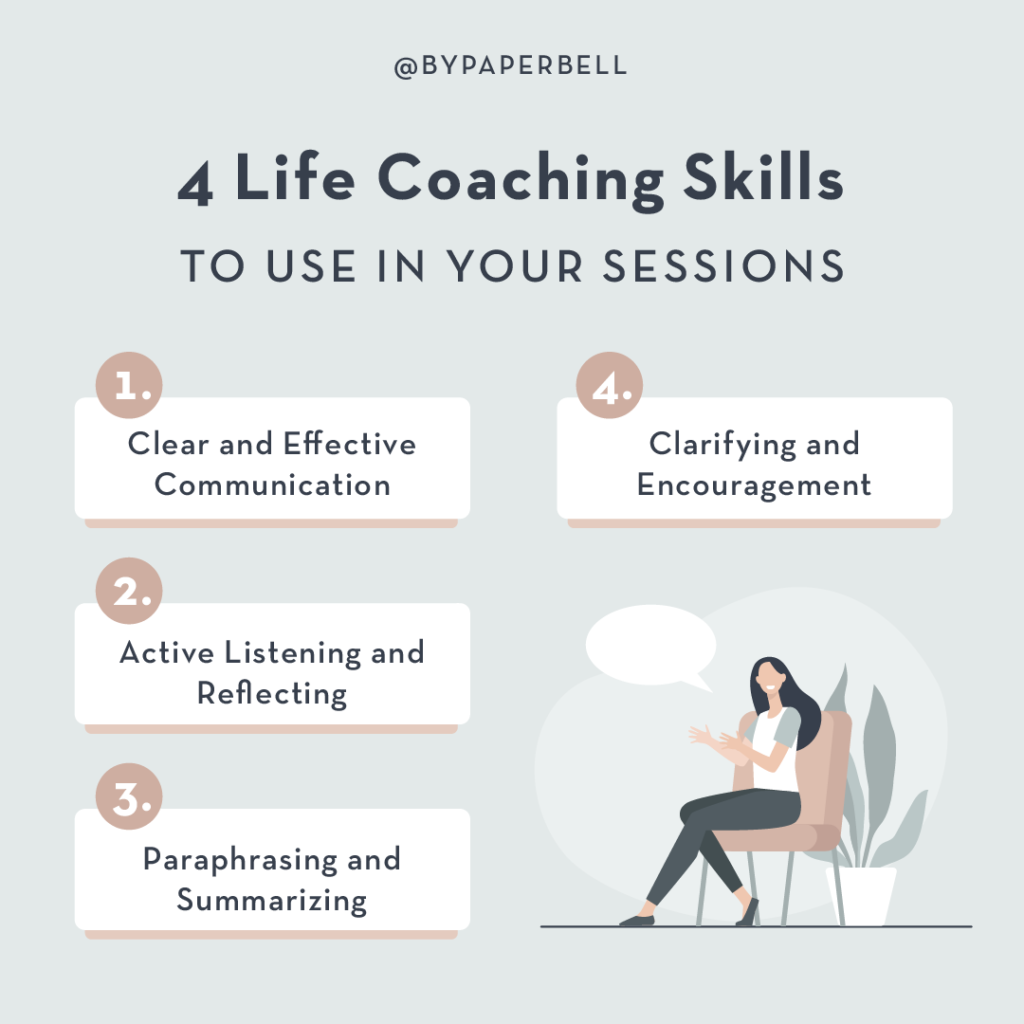
- Advanced interaction abilities customized to client-specific narratives
- Ethical structures that secure both coach and client
- Use of evidence-based methodologies such as CBT and mindfulness integration
Consider this: How typically do coaches show on their own frame of mind? A certified coach embraces continuous self-assessment, understanding that individual development fuels professional quality. This cyclical procedure guarantees they don't simply teach modification-- they embody it.
Unraveling Psychological Blocks: The Undetectable Shackles
Ever felt stuck despite understanding what to do? That's the covert trap numerous face. A state of mind coach dives deep, peeling back layers to expose these mental knots-- often woven from years of self-doubt or fear masquerading as care. Imagine attempting to sprint with invisible weights covered around your ankles. What if the crucial lies not in pushing harder but in loosening up those chains?
Some find themselves trapped in a loop of indecision-- incapacitated by the "what ifs" that echo louder than reason. Tackling this requires more than pep talks; it demands tailored cognitive exercises and reframing methods that move perspectives from challenges to opportunities.
Specialist Tips for Navigating Mental Roadblocks
- Recognize repeating negative patterns through journaling or voice memos.
- Practice "thought-stopping" to obstruct and reroute invasive doubts.
- Usage visualization to pre-experience success situations, rewiring the brain's action.
- Participate in micro-habits that develop strength incrementally-- little actions produce seismic shifts.
- Obstacle automated beliefs by asking, "Is this idea reality or fiction?"
Why do some people flip problems into springboards while others spiral? The response frequently lies in state of mind recalibration, not situations. A coach guides this transformative journey, sculpting new neural paths that foster confidence and clearness. Often, the most profound breakthroughs originate from concerns that agitate instead of convenience: What story are you informing yourself, and what if it's time to reword it?
Frame of mind Coaching vs. Other Coaching Types
Why does state of mind coaching often struck deeper than standard coaching methods? It's due to the fact that frame of mind coaching targets the invisible architecture of thought-- the beliefs and mental habits forming every action. Unlike skill-based or performance coaching, which fixate on "what" to do, frame of mind coaching asks, " How do you think of what you do?" Picture a runner who continuously doubts their endurance regardless of rigorous training; mindset coaching rewires that inner dialogue to unlock unseen reserves of resilience.
Lots of coaching designs concentrate on external goals, but frame of mind coaching peels back layers to reveal subconscious blocks that sabotage progress. It's not just about setting objectives; it has to do with transforming the psychological filters that misshape reality. This subtle shift typically seems like a discovery-- like finding a surprise door in a familiar room.
Expert Strategies to Utilize State Of Mind Coaching
- Make use of cognitive reframing to turn restricting beliefs into empowering stories.
- Practice deliberate reflection with journaling triggers targeting thought patterns.
- Apply visualization techniques that engage numerous senses, not simply images.
- Include mindfulness workouts to heighten awareness of automated thoughts.
- Use targeted affirmations that resonate on a personal, authentic level.
Could it be that this internal recalibration is what separates fleeting motivation from lasting transformation? When customers share stories of breakthrough, it's frequently the moment they understand their state of mind was the genuine barrier, not the external scenarios. How frequently do we mistake surface-level symptoms for root causes? Frame of mind coaching attempts to venture beyond the apparent, into the maze of self-perception and belief.
Emerging Horizons in State Of Mind Coaching
What if the future of mindset coaching isn't about just moving ideas, however rewiring the extremely neural pathways? Imagine a coach who uses biofeedback tools to discover subconscious resistance before it manifests as self-sabotage. This isn't science fiction-- it's the progressing edge of cognitive enhancement. Remember the story of a customer stuck in a loop of doubt, who broke complimentary after integrating virtual reality circumstances that simulated success? That immersive approach rewired their method quicker than traditional talk treatment.
Specialists anticipate:
- Combination of AI-driven analytics for tailored frame of mind mapping
- Neuroplasticity-focused exercises created for fast mental shifts
- Hybrid coaching models mixing human intuition with digital accuracy
Precision in Identifying Mental Barriers
Identifying the precise psychological block-- typically surprise below layers of conditioned beliefs-- stays a subtle art. Coaches will increasingly rely on psychometric information integrated with conversational AI to unearth these deep-seated beliefs. What's remarkable is how subtle language patterns expose established narratives, a method borrowed from innovative NLP. This lets coaches tailor interventions with surgical accuracy.
Professional Tips for Navigating This Development
- Embrace continuous learning in neuroscience and AI to remain ahead.
- Practice active listening with an eye for linguistic cues that hint at hidden doubts.
- Usage innovation not as a crutch, however as a magnifier of human insight.
- Foster strength by encouraging customers to reframe problems as data points, not decisions.